COATING
NOTES.
Short, practical notes on powder coating — process, colour and care.
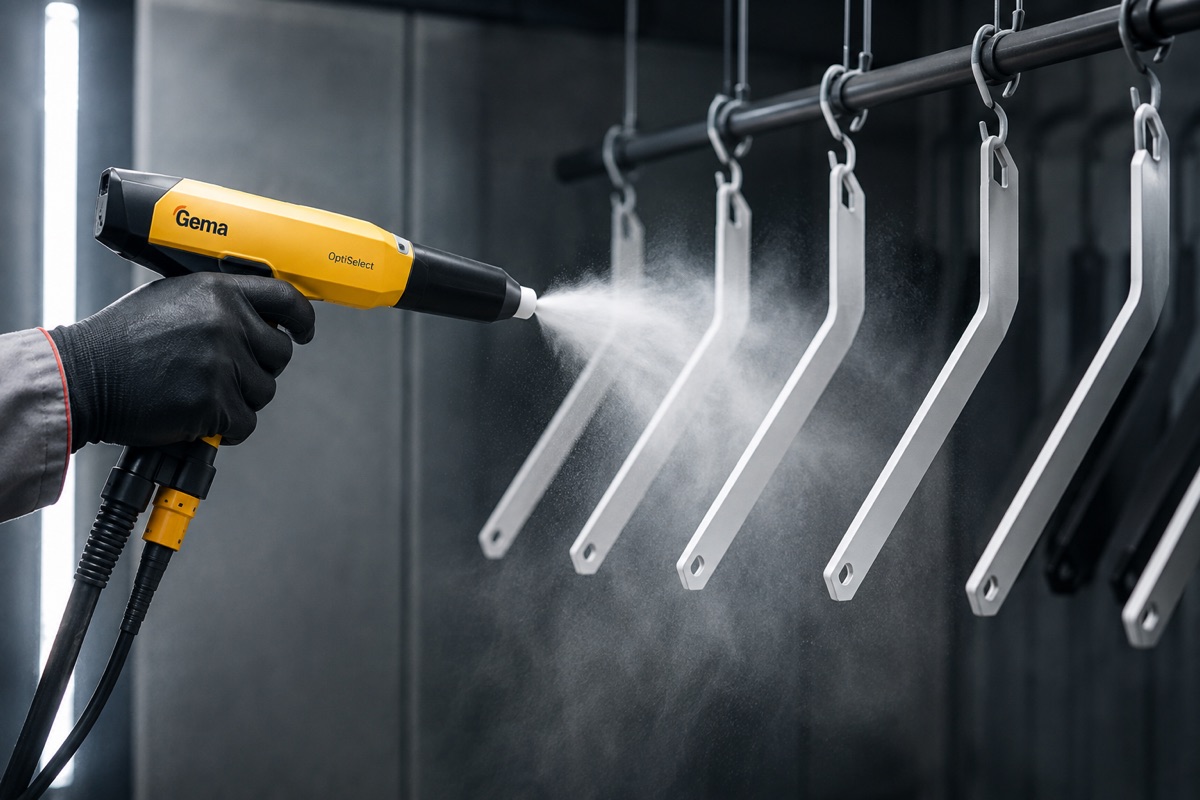
WHAT IS ELECTROSTATIC POWDER COATING?
A solvent-free coating method: electrically charged dry powder is sprayed onto a grounded metal part and melts into a film in the oven.
READ ↗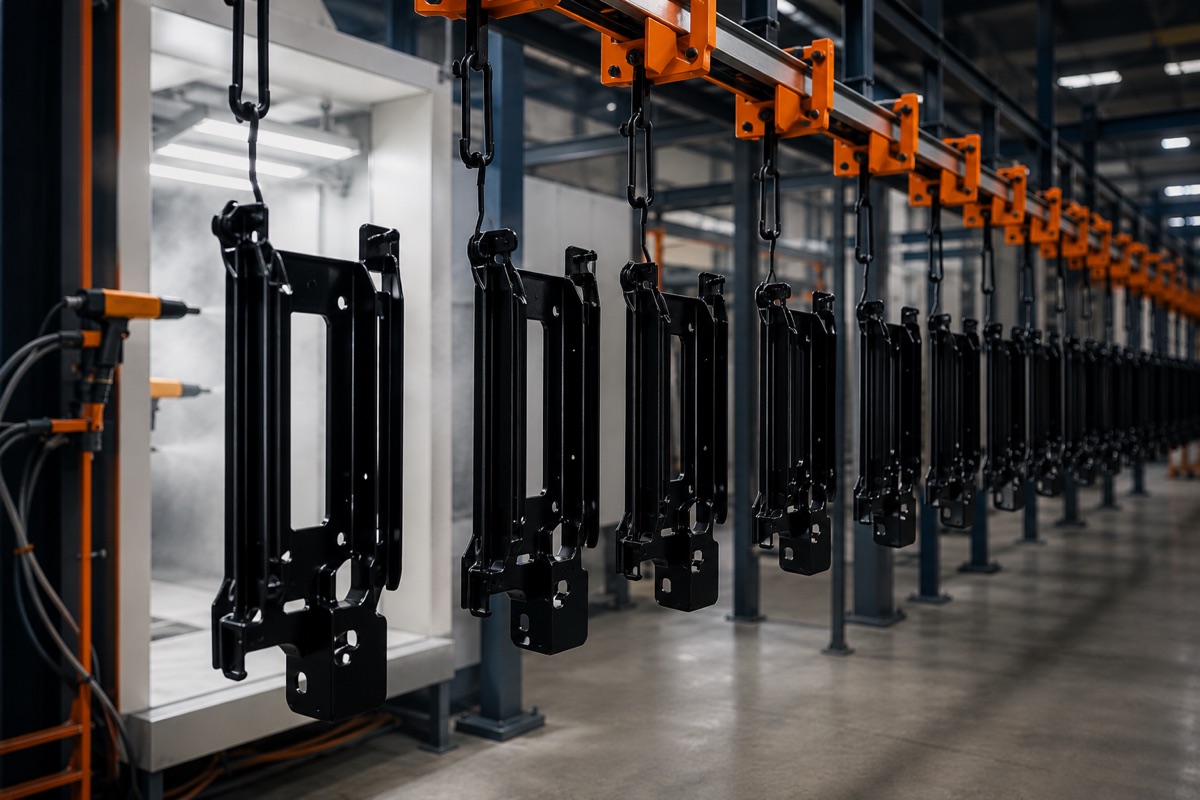
HOW IS ELECTROSTATIC POWDER COATING APPLIED?
Five stages in sequence: cleaning, pre-treatment, electrostatic spraying, oven curing and final inspection.
READ ↗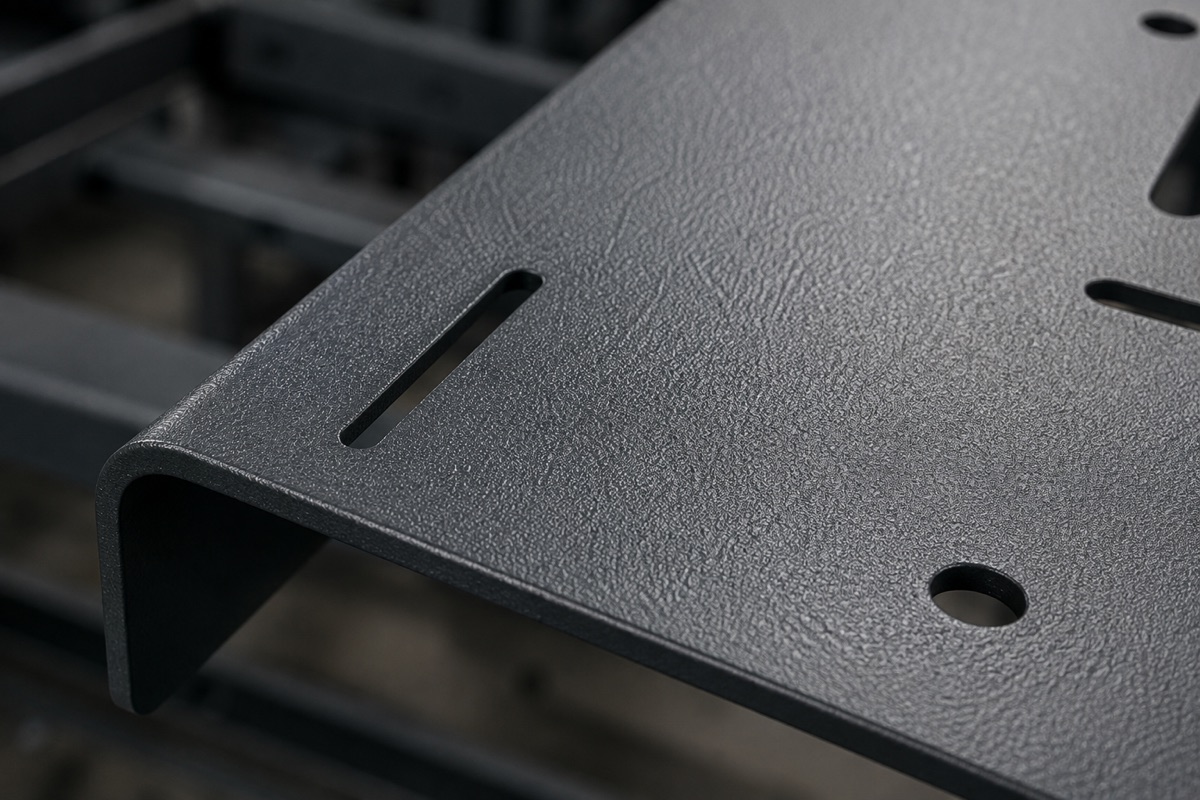
DIFFERENCES BETWEEN POWDER COATING AND WET PAINT
Durability, environmental impact, film thickness and cost behave differently between the two methods.
READ ↗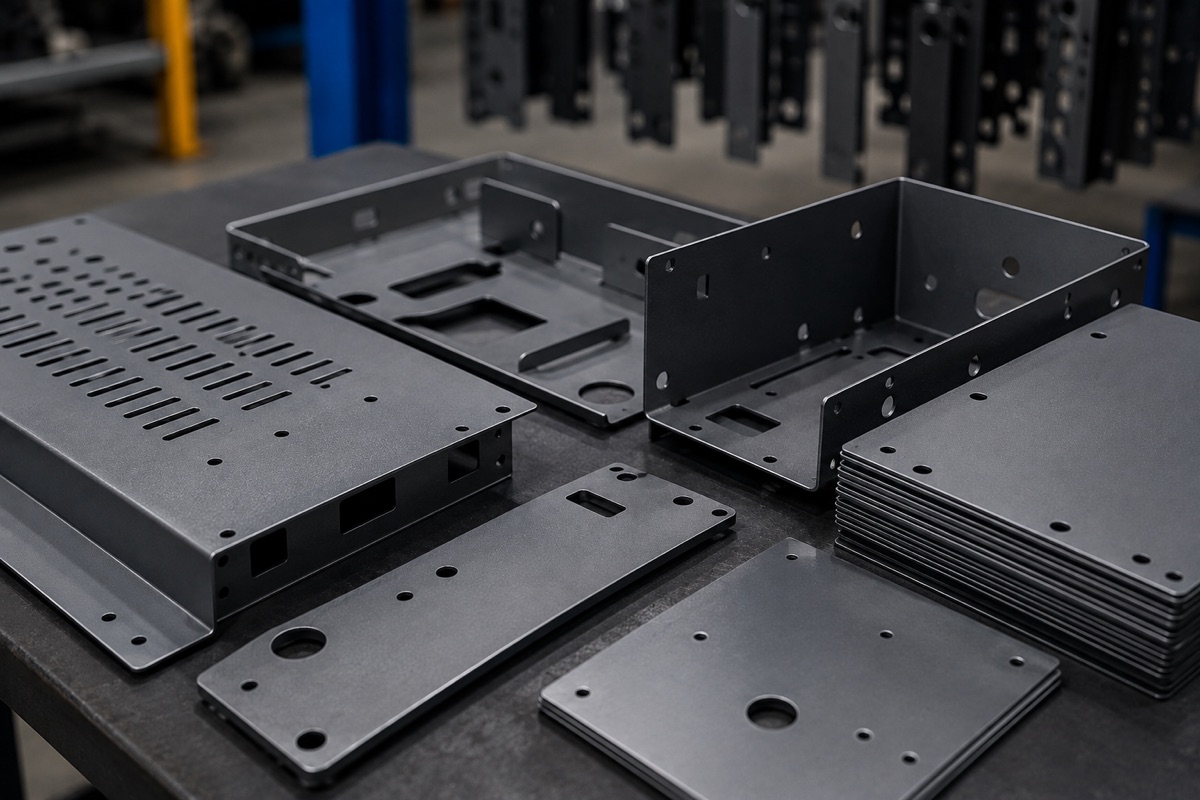
WHICH METALS CAN BE POWDER COATED?
Any metal that conducts electricity and withstands the curing oven — steel, aluminium, galvanised sheet and more.
READ ↗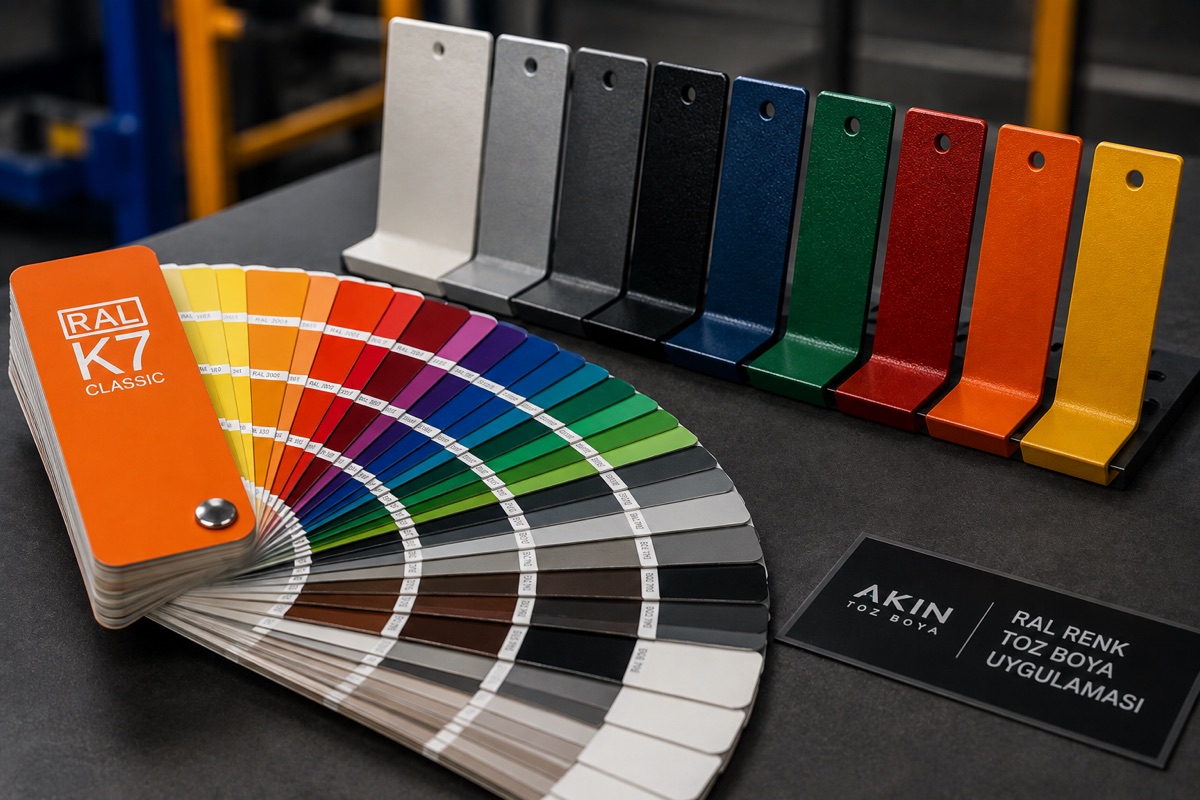
WHAT IS A RAL COLOUR CODE?
The European colour standard that turns "dark grey" into a precise, repeatable definition.
READ ↗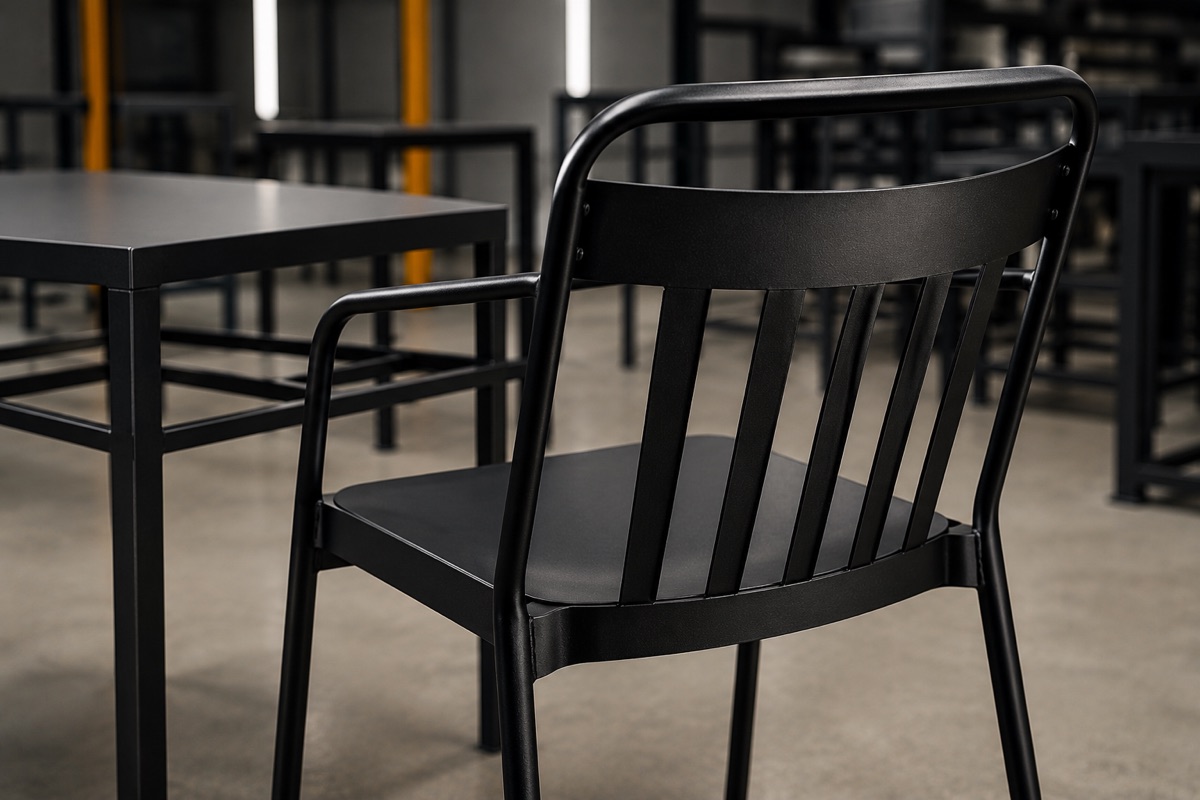
MATTE, GLOSS AND TEXTURED POWDER COATING DIFFERENCES
Gloss level doesn't just change the look — it also changes how visible fingerprints and surface flaws are.
READ ↗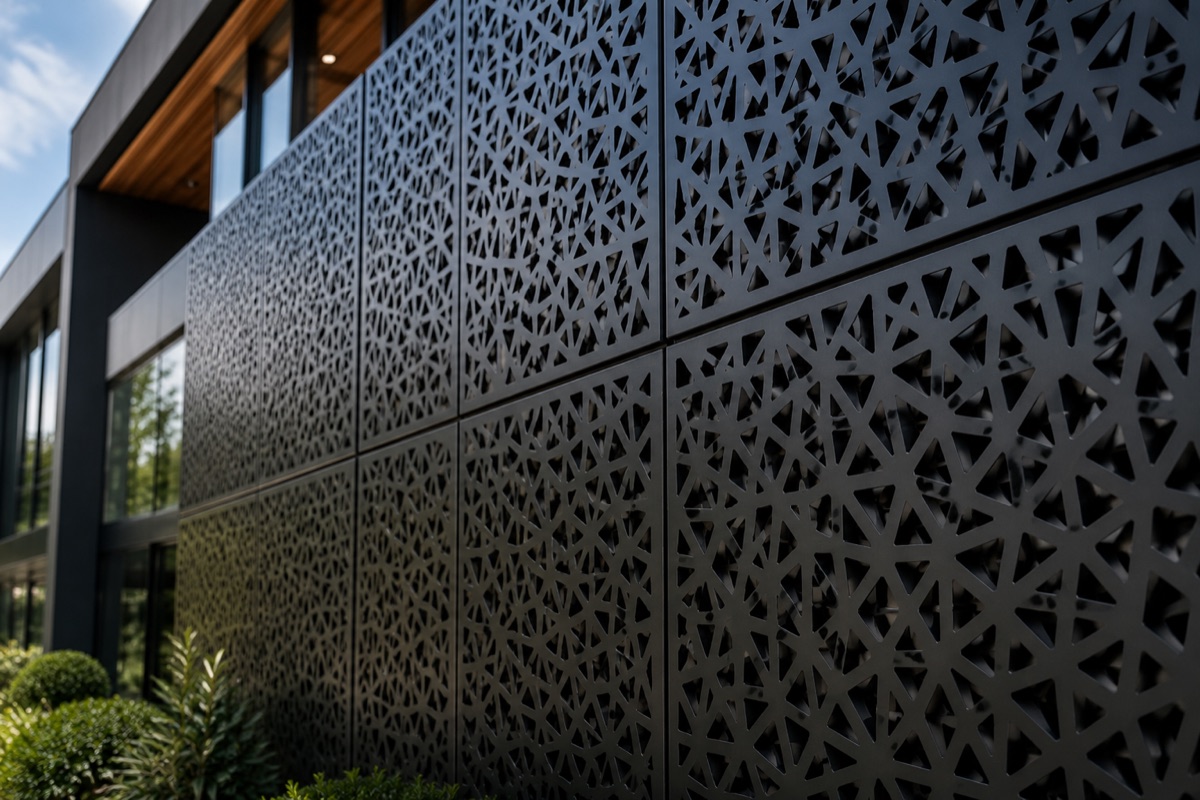
WHICH POWDER COATING SHOULD BE USED OUTDOORS?
Polyester-based powders resist UV; epoxy belongs indoors. The wrong choice fades and chalks within a season.
READ ↗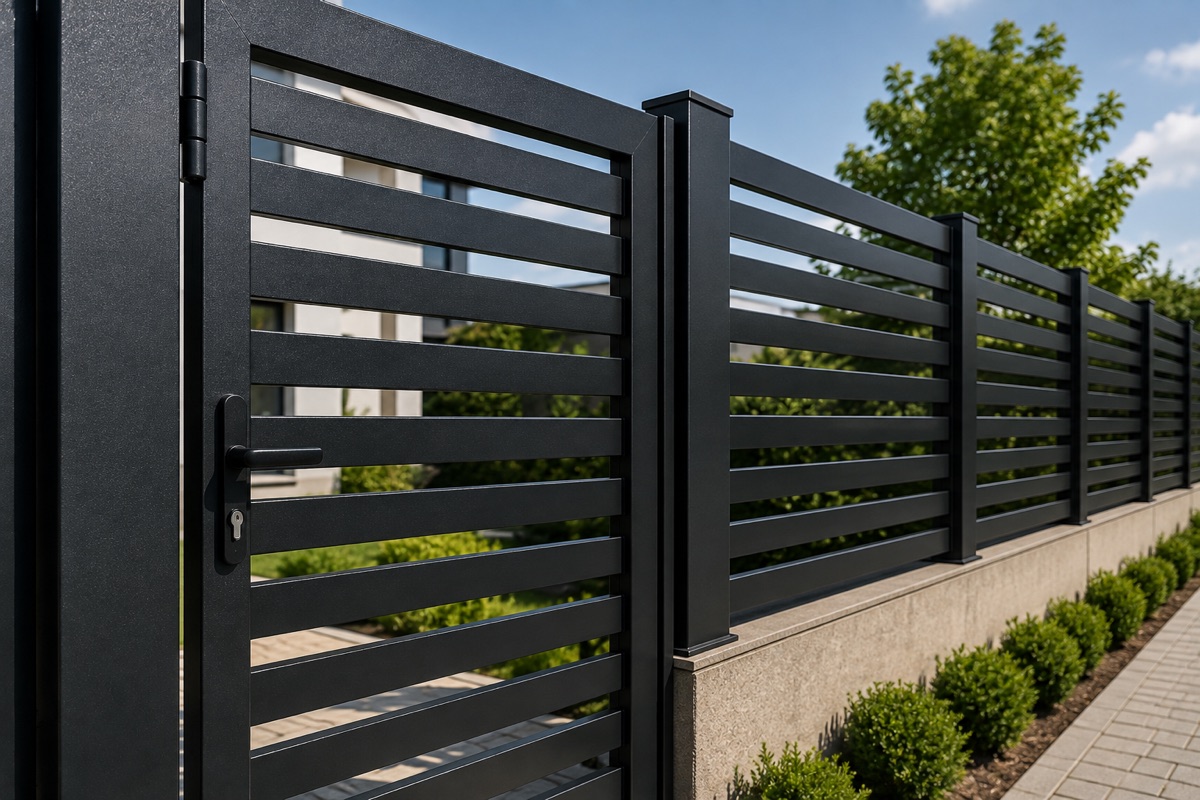
HOW DURABLE IS POWDER COATING?
Decades indoors; 10–20 years outdoors depending on powder type, exposure and surface preparation.
READ ↗
WHY IS THE METAL SURFACE CURED IN AN OVEN?
Curing isn't drying. Heat turns loosely bonded powder into a cross-linked film locked onto the metal.
READ ↗